FAQs
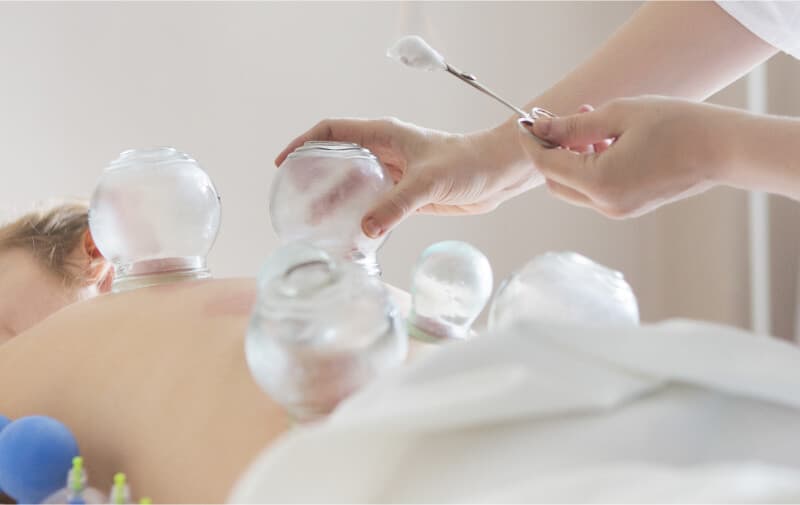
What is Cupping Therapy?
Negative pressure, rather than tissue compression, is superior for bodywork for pain, stubborn conditions, repetitive strains, inflammation, toxicity, chronic fatigue, digestive problems, and a slough of other issues we confront as we grow older.
Suction cups rapidly facilitate rigid soft-tissue release, loosen and lift connective tissue, break up and drain stagnation while increasing blood and lymph flow to skin and muscles in ways not possible using compression.
Another benefit of cupping is that it can feel really great when done properly for your constitution and current physiology and/or condition. The pulling action engages the parasympathetic nervous system, allowing a deep relaxation to move through the entire body. It is not unusual to fall asleep when receiving this treatment. You will be surprised at how relaxed, warm, and light you'll feel — hours, sometimes even days afterwards.
Who does Cupping?
Health practitioners of a variety of modalities administer a wide spectrum of cupping methods and treatments to assist them in providing more effective treatments to their patients and clients for healing and recovery.
Massage therapists, acupuncturists, physiotherapists, sports therapists, nurses, doctors, and many other trained professionals can be located in your area using our international Cupping Practitioners database.
What does it treat?
Cupping is a powerful detoxifying, pain-relieving, and energy-building modality that people all over the world have used for health maintenance for hundreds of years. A tremendous amount of advancement over the past 25 years has produced treatments, methods, and equipment to address a wide array of conditions that respond positively to cupping.
Where can I get Cupping?
Although cupping therapy is not as well known as other alternative therapies, it is the fastest-growing method of treatment in many countries, provinces, and states, with a rapidly growing community of healthcare professionals that now provide a wide range of modern cupping protocols.
Use this database to locate practitioners in your area to discuss your issues and identify one who best suits your specific needs.
Can I get training?
The ICTA conducts the most comprehensive, safe, and effective curriculum available anywhere. The prerequisites to take our training classes can be found in the Workshop FAQs.
Use this link to see the different classes offered through the ICTA. Classes are listed by date, workshop, and instructor.
What physical effects can I expect from suction cup therapy?
The after-effects of cupping are most intense at the beginning of receiving treatments, and lessen dramatically as your system becomes accustomed to the treatments and as they accumulate. Besides effects for specific conditions, injuries, and illnesses, some general after-effects include:
- •A need for sleep
- •Intense hunger (munchies)
- •No appetite
- •Feeling similar to after deep tissue massage
- •Nausea
- •Euphoria
- •Feelings of being "hung over"
- •Increased bowel elimination
- •Stronger body odor (elimination)
- •"Best night's sleep in years"
- •An inability to sleep
- •Vivid dreams
- •Night sweats (elimination)
- •Heightened senses (smell, sight, sound)
- •Craving for certain foods
- •Super thirsty and cotton mouth
- •Emotional release
- •Stronger than normal bowel & urine odors
- •Skin surface warmer than normal
- •Chills
- •Restless (wanting to clean, organize, etc.)
- •Soreness, like after strenuous exercise
- •Feeling of reduced mass, increased height, lighter — more open
- •Headachy
What's the explanation of the marks or discolorations that sometimes occur as a result of suction cup therapy?
One of the common and unfortunate misconceptions concerning cupping is the misinterpretation of the discoloration. "Bruising" is caused by impact trauma with breakage of capillaries and reactionary rush of fluids to the damaged area from the tissue compression/injury.
There is no compression in properly employed decompression therapy.
Although it is quite common during dynamic or stationary methods to achieve dramatic 'marks' or 'discolorations', the less aggressive action of moving the cups minimizes the intensity and duration of the discolorations.
The time it takes for marks to fade depends on:
- The amount of unwanted substances that the treatment brought to the skin surface.
- Your post-treatment activity level.
If you are pretty active, your marks may fade within hours to a day or two. If you are more stationary at your job or general lifestyle, then the marks may take weeks to fully fade.
There is no contraindication to having cupping done over existing marks — it will only help to move it out.
What are the benefits?
- ▸Deep tissue work and release without the discomfort of force
- ▸Moves stagnation and drains fluids
- ▸Relieves inflammation
- ▸Nervous system sedation
- ▸Breaks up and expels congestion
- ▸Stretches muscle and connective tissues
- ▸Loosens adhesions
- ▸Pulls blood supply to the skin
- ▸Facilitates the movement of Qi and blood systemically and locally
- ▸Dispels wind, damp, and cold to treat muscle and joint pain, stiffness, and arthritis
- ▸Strengthens the immune system by promoting the flow of lymphatic fluid
- ▸Treats excess heat conditions, fever, stress, depression, and anxiety
- ▸Cleans the blood and lymph and helps to balance pH levels
The decompression created by cupping pulls stagnant fluids to the surface, removes toxic pathogens, and promotes fresh oxygenated, nutrient-rich blood and lymph.
What conditions respond well to Cupping Therapy?
- ·Colds & influenza
- ·Headaches
- ·Abscesses
- ·Arthritis
- ·Intercostal neuralgia
- ·Intestinal disorders
- ·Hemorrhoids
- ·Sciatica
- ·Rheumatism
- ·High blood pressure, stroke, and arteriosclerosis
- ·Bronchial asthma & congestion
- ·Gynecological disorders
- ·Kidney disorders (including frequent/urgent urination)
- ·Dispels colds and respiratory infections
- ·Relieves GI symptoms such as stomachache, vomiting, and diarrhea
- ·Liver disorders
- ·Gallbladder disorders
- ·Dermatological disorders
- ·Depression
- ·Fibromyalgia & Chronic Fatigue Syndrome
- ·Anxiety & insomnia
- ·Post-injury trauma
- ·Post-surgery adhesions
- ·Cellulite
- ·Musculoskeletal problems: pain, spasms, cramps, tightness, numbness, stiffness of the back and neck
- ·Chronic gastric pain
- ·Vertigo
- ·Menopausal discomforts
- ·Activates the skin, clears stretch marks and wrinkles, improves varicose veins
- ·Scars can be affected to a surprisingly great degree
Who should not get Cupping Therapy?
- Cupping should not be performed in cases of severe diseases such as cardiac failure, renal failure, ascites due to hepato-cirrhosis, severe edema, hemorrhagic diseases (allergic purpura, hemophilia, leukemia), and clients with dermatosis, destruction of skin, or allergic dermatitis.
- Cupping should not be applied on areas where hernia exists or has occurred in the past.
- Broken bones, dislocations, slipped discs, organ failure, and those undergoing allopathic cancer treatments are contraindicated for cupping.
- Cupping should not be performed on affected areas during the acute stages of psoriasis, eczema, or rosacea.
- Cupping should not be applied on affected areas during outbreaks of urticaria (hives), herpes, or shingles.
- Cupping is contraindicated for those with liver or kidney functional illness, cardiopathy, 3D varicosities, or over recent surgical incisions.
During pregnancy:
- Unless the mother has been receiving ongoing cupping prior to her pregnancy — wait until the 2nd trimester.
- Women who have not received cupping and begin during breastfeeding should express several days before the treatment and should wait a few days post-treatment to return to breastfeeding.
Common post-cupping Q&As
Q — I got cupping for the first time and found I had a slight headache and was nauseated. Why?
A — These are very common reactions the first time someone receives cupping (or hasn't received in years).
For headaches: It is usually the case of being dehydrated (most people in Western society are slightly dehydrated to some extent). Because the action of tissue decompression affects the entire body, fluids are drawn toward the areas being worked on. When a sufficient amount of fluid is reduced around the brain and its external layers, the imbalance of cranial/spinal fluids can create a pulling on the brain tissues and cause a feeling of pain. The best remedy is to drink a full glass of clean water. Always make sure you are extra well hydrated before any cupping treatment to help keep the fluid balance stable in your body.
For nausea: This is similar to the way your immune system talks to you when you get an illness. Your immune system is reacting to the deep-seated or stored "junk" (pharmaceuticals, chemicals, preservatives, carcinogens, aluminum, injury stagnation, etc.) being drawn out and into the bloodstream and lymphatic system. It's communicating to you that there is "something new going on here that it needs time to deal with — please slow down." Here again is where water comes to the rescue! Filling the system with clean water will help dilute and flush these unwanted substances out of your body.
Q — Several hours after my first cupping session, my muscles started feeling sore. Why?
A — Just as when you have not performed a specific activity or "go back to the gym" — you ARE over-exerting those muscles more than they are used to. Cupping, by its stretching action, performs a type of exercise on the muscles and surrounding structures that has not been performed before. It isn't much different from jumping into a new activity. The best thing to do, along with drinking clean water, is soaking in an Epsom-salt bath or taking a long hot shower — then doing some gentle stretching. Listen to your body and relax if that's what it's saying.